

Warner Bros. in Talks to License DC Heroes to Universal Parks
WBD is rushing to license DC heroes to Comcast’s Universal parks as a strategic move to boost the company’s valuation and debt profile before a final sale to Netflix. Also Wicked got the greenlight.

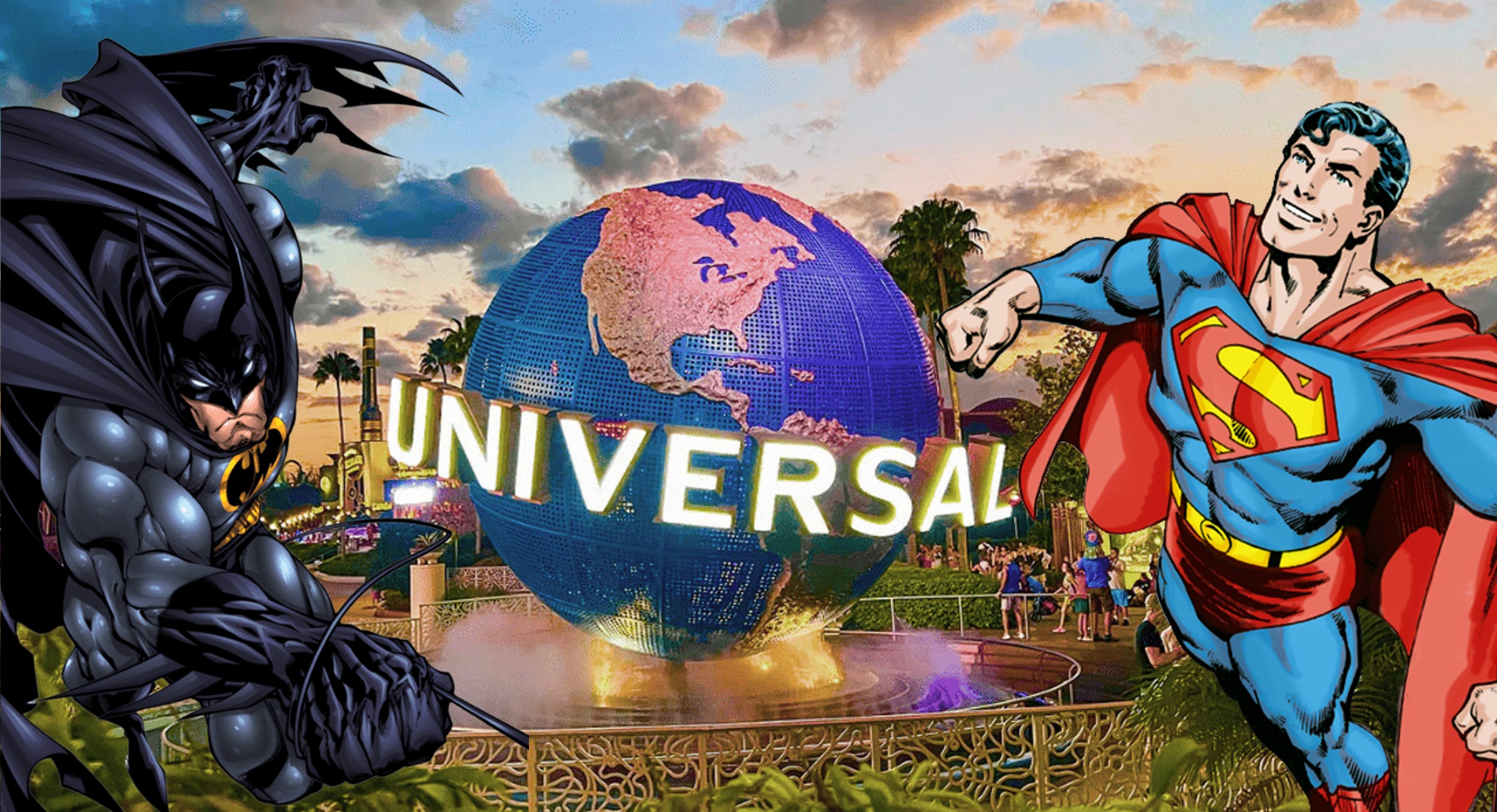
ORLANDO/BURBANK, December 4, 2025 — In a move that could fundamentally reshape the $50 billion global theme park industry, Warner Bros. Discovery (WBD) is in advanced talks to license its flagship DC Comics characters—including Batman, Superman, and Wonder Woman—to Comcast’s Universal Destinations & Experiences division.
The potential agreement, first reported by Bloomberg and confirmed by our industry sources, would allow Universal to develop state-of-the-art, immersive attractions featuring DC heroes for the first time in thirty years. Crucially, the deal is being pursued amidst a volatile, two-table negotiation for WBD’s entire future.
The singular, overriding factor driving the urgency of these parallel negotiations is the imminent sale of WBD’s assets. At one table, Netflix is the acknowledged frontrunner in exclusive talks to acquire the majority of WBD’s studio and streaming assets. Simultaneously, at a second table, Universal is negotiating a massive, long-term theme park licensing agreement for DC with WBD’s current leadership.
This creates an unprecedented strategic tension: CEO David Zaslav is utilizing the Universal theme park license as a critical financial tool designed to increase WBD’s ultimate valuation by immediately locking in a massive upfront cash infusion. This money would directly reduce WBD’s debt, making the company a more appealing prospect for all bidders, including Netflix. As the frontrunner, Netflix is forced to monitor and potentially vet the Universal deal in real-time. If the license is signed before the acquisition is final, Netflix, the future owner, will inherit a valuable, monetized asset, but will simultaneously be forced to license its core IP to a major competitor, complicating its own future entertainment strategy.
Furthermore, by placing the valuable DC theme park rights with Comcast’s Universal unit, WBD is strategically sweetening the deal for one of its most serious bidders, potentially tilting the entire corporate landscape in Comcast’s favor. For Universal, which relies on its theme parks as a stable, high-margin pillar of the Comcast structure, securing DC is seen as the final piece needed to definitively challenge Disney’s global dominance by creating a competitive ecosystem of world-class, multi-day IP.
The path to a DC-themed Gotham City rising in Orlando is riddled with complex legal obstacles, primarily centered on the existing, long-term, and exclusive agreement Six Flags Entertainment Corporation holds for DC characters in the United States, Canada, Mexico, and other key territories. This decades-old contract, established in the early 1990s, effectively gives Six Flags the exclusive right to feature attractions and characters across its parks, with some sources indicating the term may run through the year 2053. This means that for Universal to proceed domestically, WBD must either negotiate a massive, unprecedented financial buyout of the remaining contractual term, or rely on a sophisticated legal loophole. The latter strategy involves arguing that Six Flags’ rights are restricted to standalone attractions and coasters, while Universal’s plan for fully-realized, immersive lands—environments with integrated food, merchandise, and multiple rides, much like the Wizarding World of Harry Potter—falls outside the specific language of the original deal. Such an argument would undoubtedly provoke a titanic legal challenge from Six Flags, turning the corporate negotiation into a public court battle over the future of the American coaster park.
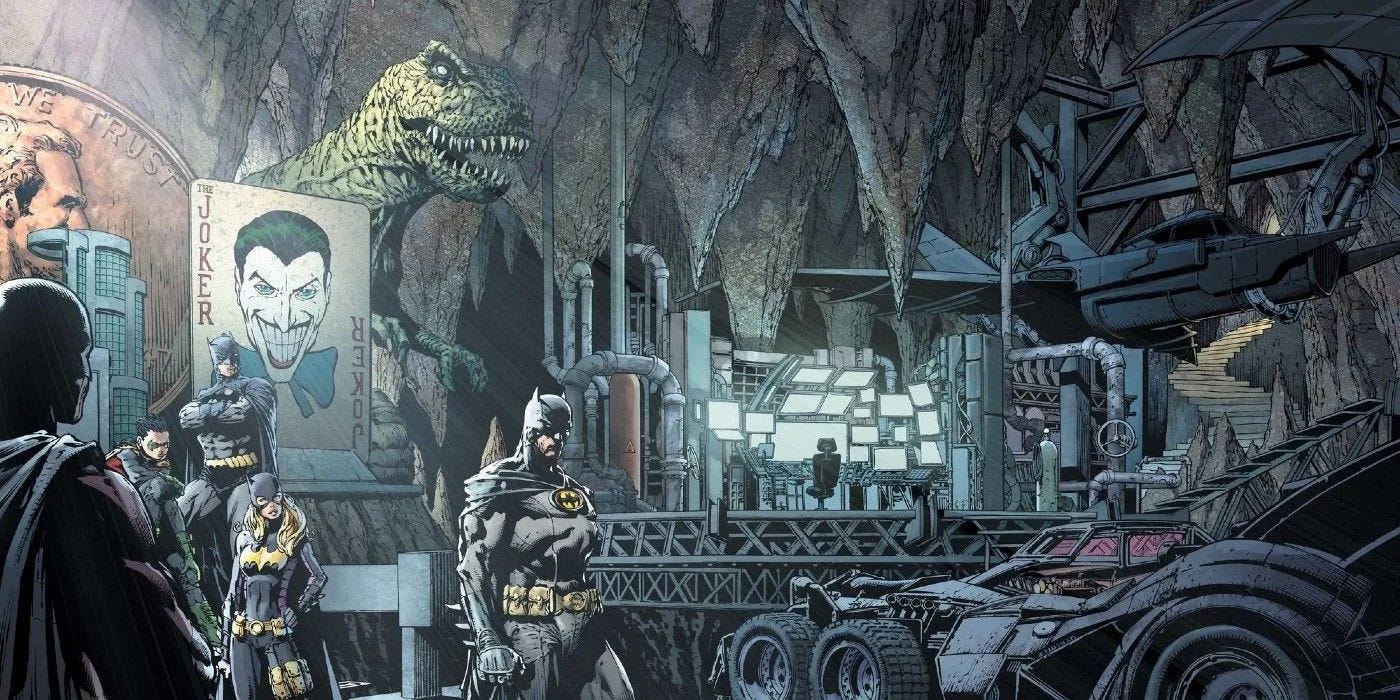
For those familiar with Universal’s planning history, this negotiation is the culmination of a three-decade-long circle. In the early 1990s, when Universal was first conceiving its second gate, Islands of Adventure, the park’s original master plan, then titled “Cartoon World,” was set to feature a massive DC Comics land. The attraction proposals, long revered among theme park historians, included a massive Superman 3D dark ride, a pair of pulse-pounding, high-tech Batman vs. The Penguin dueling inverted coasters, a Joker wild mouse-style coaster, and a dedicated Batman stunt show. This entire ambitious project was scrapped when negotiations with Warner Bros. regarding royalty and creative control broke down, forcing Universal to pivot to the Marvel license instead. Now, with DC rights seemingly back in play, the speculation centers on where this massive IP will land.
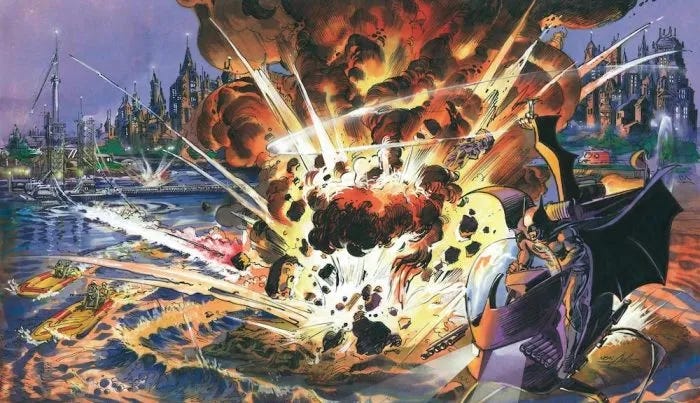
Insider rumors suggest a potential replacement of the aging Toon Lagoon land at Islands of Adventure, a high-cost area known for its water rides and classic cartoon IP. This move could potentially scuttle or live alongside the rumored future plan to retheme the area to the Nickelodeon-owned Bikini Bottom and could see a massive, highly-themed Gotham City rise where Dudley Do-Right’s Ripsaw Falls currently sits.
Alternatively, Universal Creative could dedicate an entire section of the largest expansion pad at Epic Universe to DC, potentially dividing the (now confirmed) space that is to be dedicated to Wicked, a clear sign of the corporate imperative to utilize the DC IP with maximum impact from day one.
This drive for a definitive, major-scale DC presence is now also pushing Universal to greenlight its largest and most ambitious concepts for its own proprietary IPs. We can now officially confirm a Wicked immersive land is in development at Universal Creative. Our sources indicate that internal meetings have given a definitive “full steam ahead” signal (much like the treatment Potter got) to the design teams for the highly anticipated Wicked land, most likely destined for a major gate at Epic Universe. Sources confirm multiple potential variations of Wicked themed experiences were developed during a blue-sky period at Universal Creative, from a smaller land at Universal Studios Florida to using the entire expansion pad at Epic Universe (more on all of this in an upcoming article). The true scale of the project will allow Universal to seamlessly weave in elements from the beloved 1939 film The Wizard of Oz, a critical piece of intellectual property that Warner Bros. famously acquired as part of the massive pre-1986 Metro-Goldwyn-Mayer library purchase. This WB ownership of the classic film is why the rights are so vital, as it allows Universal—should the acquisition/licensing structure be favorable—to create a unified, powerful, and deeply nostalgic Land of Oz, drawing on the aesthetics and characters of both the modern musical and the timeless film, an immersive experience that rivals the depth and complexity of the Wizarding World.
Furthermore, the possibility of a complete WBD acquisition by Comcast has created a notable shift in the planning process for Universal’s planned UK park. While Lord of the Rings theme park rights were previously thought to require a separate, arduous licensing negotiation, a complete merger of WBD assets with Comcast would effectively consolidate the highly coveted Middle-earth saga theme park rights under the same corporate umbrella, potentially simplifying the path to bringing Rivendell or the Shire to the British theme park, a highly coveted scenario that now seems within reach as WBD’s destiny is being finalized. The high stakes of the WBD corporate sale have thus become the ultimate catalyst, creating a ripple effect that will fundamentally redefine the theme park landscape for decades to come.
Don’t miss the final outcome of the WBD bidding war and the massive shift it means for Universal, Six Flags, and DC Comics. Become an Insider— Join Our Subscriber List for Breaking News and Analysis.