

Universal's Biggest Obstacle Isn't Disney (It's Lockheed Martin)
Lockheed Martin's Missile Test Range Is Stopping The Future Of The Theme Park Industry.

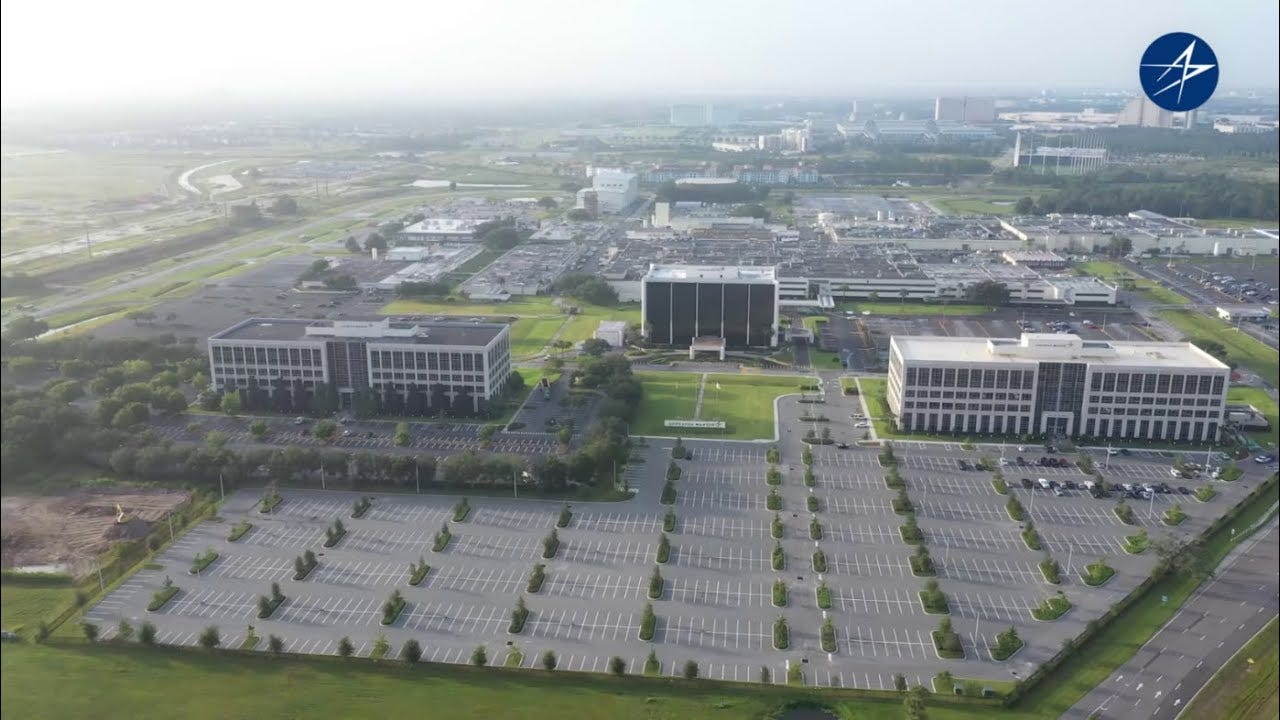
ORLANDO, FL - In Central Florida’s perpetual theme park rivalry, the default assumption is that Walt Disney World remains the eternal, monolithic competitor to Universal Orlando Resort. But for anyone tracking the physical expansion and future city planning of Universal, the real competition isn’t located in Celebration, Florida—it resides directly across the street from the new Epic Universe site, embodied by the continued operations and physical footprint of Lockheed Martin Missiles and Fire Control (MFC). The future of Universal’s expansion into a massive, city-like entertainment destination, complete with a proposed CityWalk 2.0, golf courses, and new parks, is inadvertently being stalled by the residual legacy of American defense.
The connection between the missile giant and the theme park industry is decades deep. Starting in the late 1950s, long before Disney arrived, the area south of Universal’s current campus—including the land where Epic Universe now sits—was known as the Lockheed Martin Sand Lake Road Complex. This sprawling property was used between 1958 and 1996 to test missiles like the Copperhead, Hellfire, and Pershing . This history left a devastating legacy: the site was littered with decades of missile debris and toxic waste, requiring an immense, unprecedented cleanup effort before any entertainment development could begin. The problem was so pervasive that even the first Walt Disney World monorails were actually assembled at the Sand Lake Road facility, illustrating how deeply interwoven the defense contractor was with Orlando’s early development.
When Universal acquired the land, they faced a cleanup task so monumental that it required an innovative partnership with Lockheed Martin itself. Universal initially tried to underwrite the astronomical costs by selling off parcels, notably the 230-acre chunk sold to Orange County in 1998 for $65 million to facilitate the expansion of the Orange County Convention Center. While the Environmental Protection Agency later recognized Universal and Lockheed Martin for their pioneering work with state and local agencies to streamline the hazardous waste clean-up, the financial toll was staggering. Clearing toxic metals and industrial solvents out of just one site, the landfill at Site 5, cost $4 million. With six such sites identified, initial cleanup estimates soared to $24 million, quickly escalating to $40 million and requiring work until at least 2004 before construction could even start.
This project was a heartbreaker for Universal Creative, which envisioned a massive 1,800-acre site—more than triple the size of the original resort—to build 10,000 hotel rooms, two 18-hole golf courses, 700 time-share units, and 2 million square feet of retail space alongside theme and water parks. However, Vivendi, Universal’s owner at the time, ran into severe financial difficulties in 2004 and sold off the remaining 1,800 acres to Georgia-based developer Thomas Enterprises, Inc. This sale didn’t end the fight; it merely changed the antagonist. The land came with a strict deed restriction placed by the former owner, banning theme parks. Developer Stan Thomas used this restriction to block Universal’s expansion plans for years, citing precedent that upheld a former owner’s right to enforce such land use bans. After a protracted legal fight, Universal finally prevailed, with recent documents showing the company now owns the full deeds to the property, having purchased Thomas out completely. Thomas’s companies reported removing $144.7 million in debt, including a parcel facing a $27 million foreclosure, suggesting the land acquisition was a costly victory for Universal.
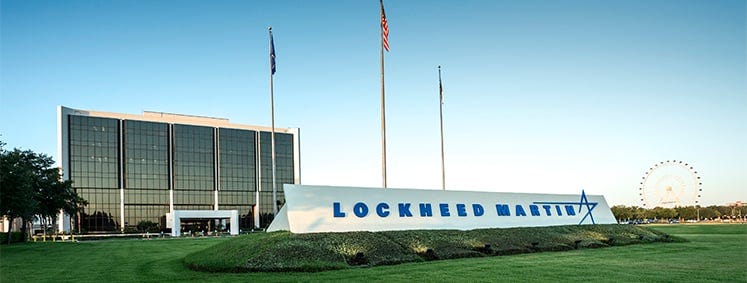
Now, with Epic Universe, Universal owns nearly 1,000 acres of contiguous land, dwarfing the current 541-acre resort. But the last piece of the puzzle—the key to the massive future expansion planned between Epic Universe and Universal Boulevard, including the long-rumored CityWalk 2.0—is the Lockheed Martin Missiles and Fire Control facility. While Universal has successfully purchased almost every surrounding parcel, this massive chunk remains Lockheed-owned. Evidence of this historical relationship and continued presence is visible today: a private Lockheed road runs under the new Kirkman Extension, supporting buildings adjacent to the Epic Universe site. The defense contractor’s vital, immovable presence means Universal’s master plans for the CityWalk 2.0 entertainment, shopping, and golf venues must wait until they can either acquire or negotiate the relocation of the missiles division. While Disney sets the creative and financial bar for theme park development, it is the logistical and environmental legacy of the American defense industry, rooted across the street, that poses the last, most stubborn barrier to Universal’s ultimate transformation into a theme park metropolis.
Want to stay up-to-date on the groundbreaking progress of Epic Universe? Subscribe to our exclusive newsletter for the latest ride, land, and development news!