

Universal Kids Resort Frisco: Why Its Family-Centric Lands Triggered Fan Backlash
Analyzing the Disconnect Between Universal's Budget-Conscious Shrek, Minions, and SpongeBob Lineup in Texas and Fan Expectations.

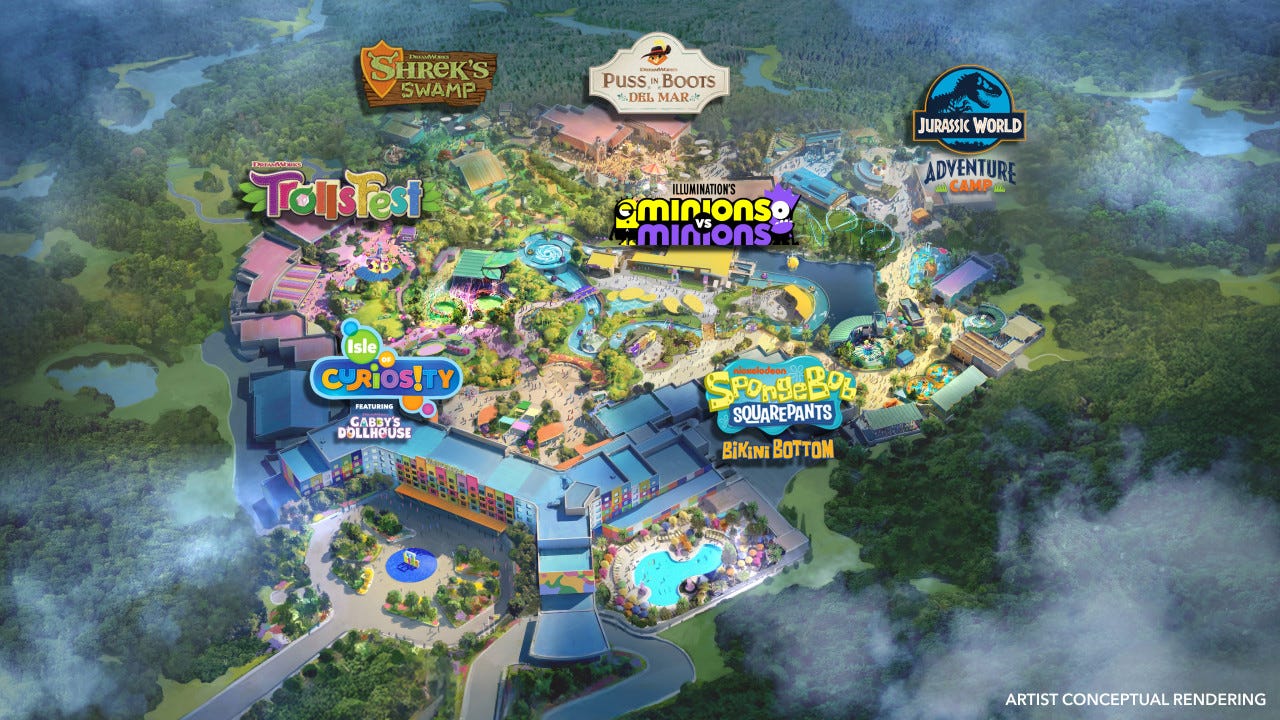
ORLANDO, FL - It is the perfect model of a regional theme park, yet it exists in the shadow of its destination-level cousin. The official reveal of the Universal Kids Resort in Frisco, Texas, has exposed a structural paradox in modern theme park fandom: predictable themes lead to unexpected backlash. For months, theme park insiders and local residents alike have watched the construction rise, knowing the park’s key franchises were all but locked in. Now, with official confirmation, the reality has settled in, showcasing a lineup built on beloved, family-friendly franchises. This carefully curated selection of zones is rooted in Universal’s creative philosophy, focusing squarely on the target demographic of young children.
“We envisioned this park through the unbridled creativity of kids,” said Brian Robinson, Executive Vice President and Chief Creative Officer at Universal Creative. “Infinite imagination, curiosity, and free-spirited play were core to our design philosophies. It produced a park that’s pure joy and an absolute celebration of what it is to be a kid.”
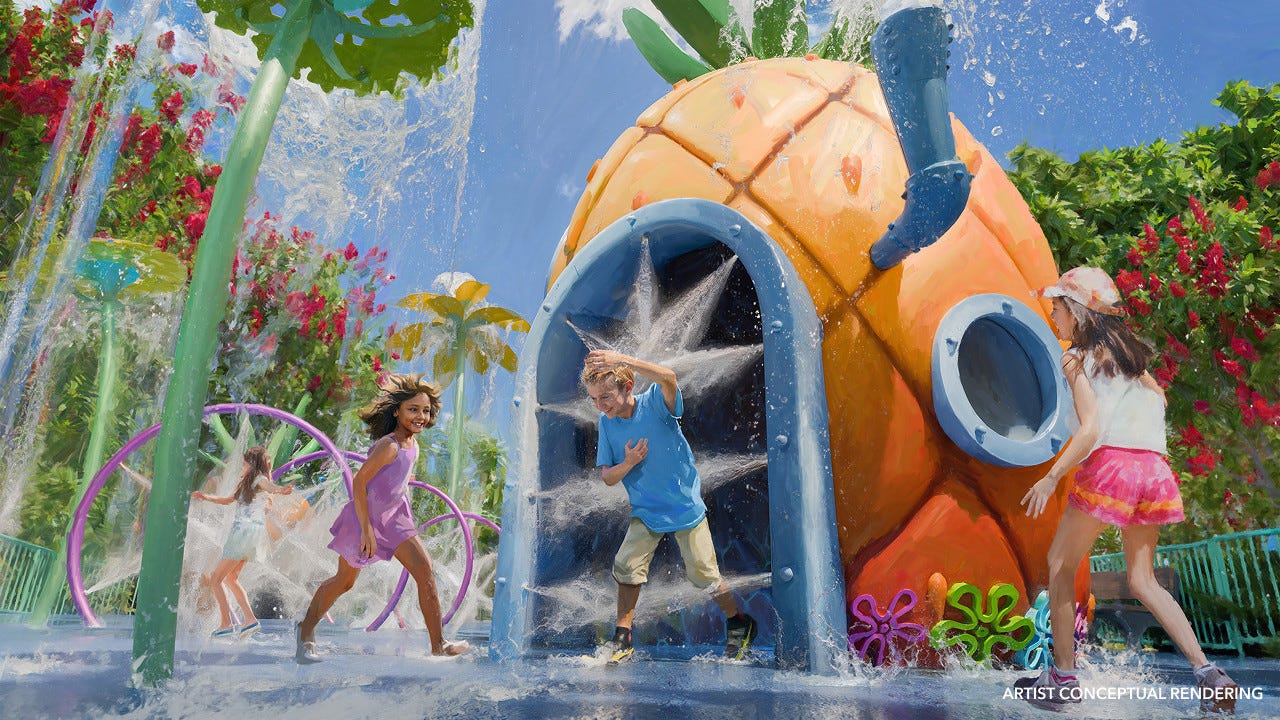
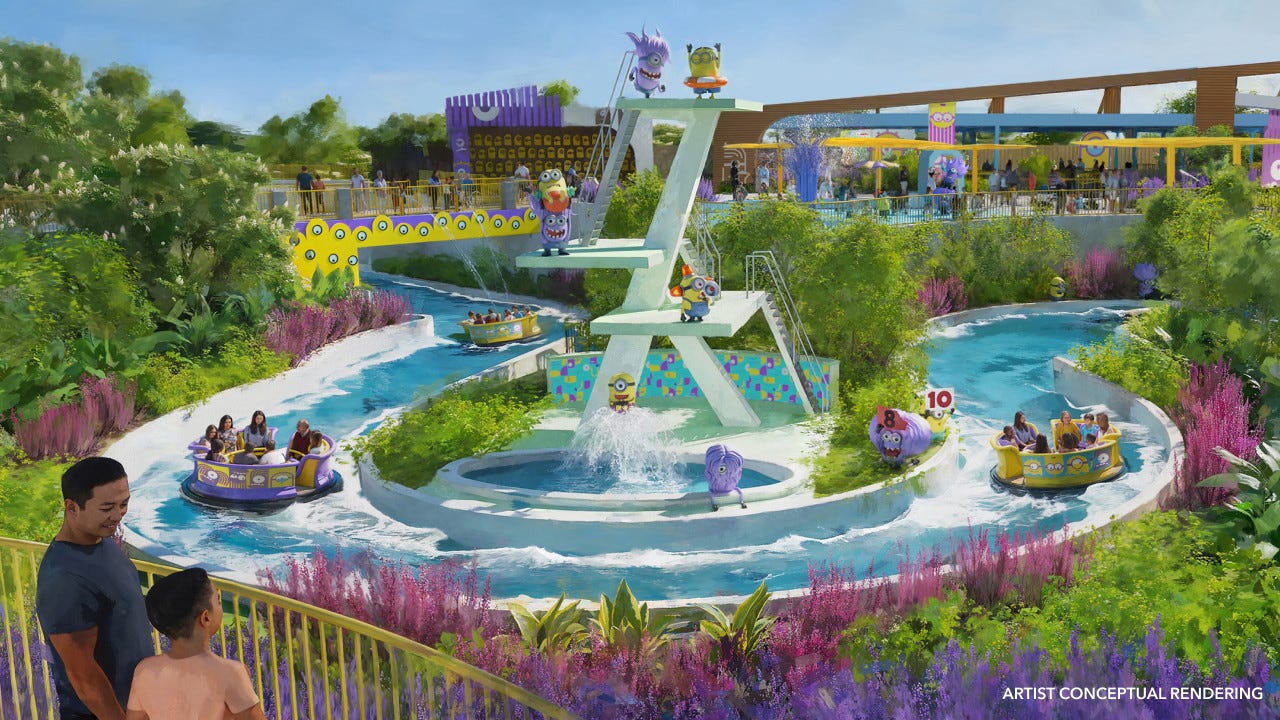
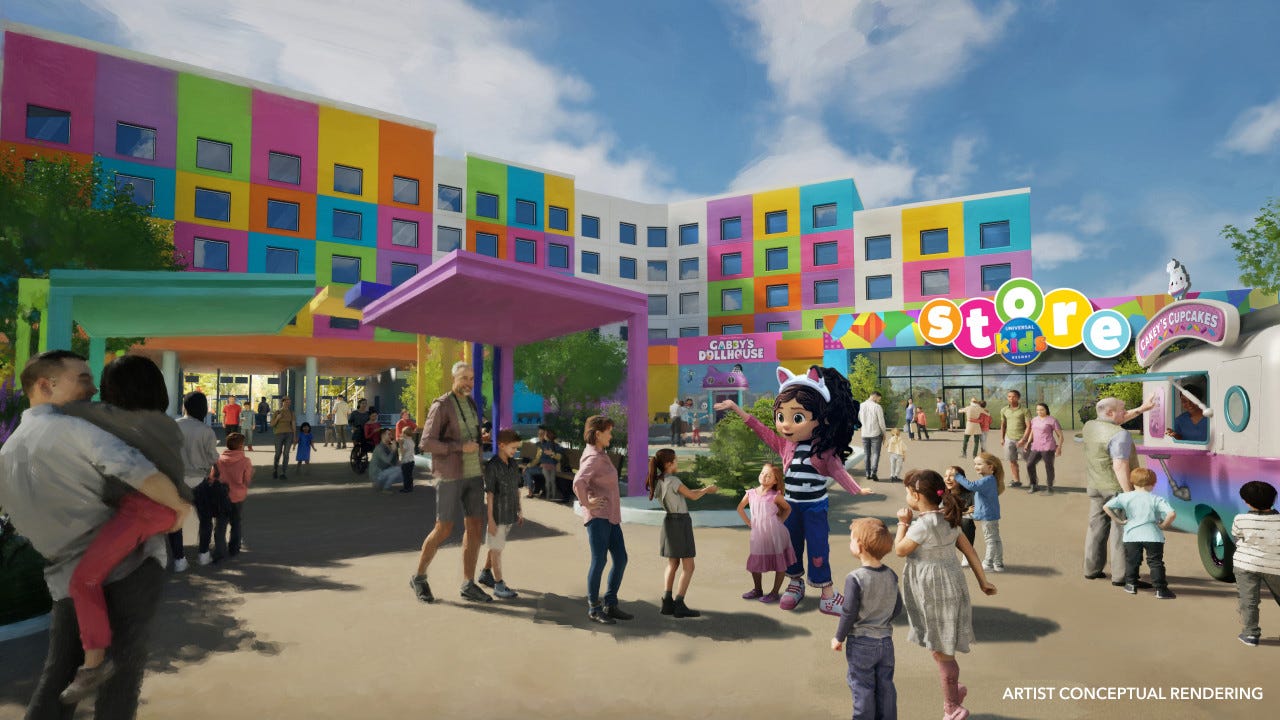
The confirmed lands underscore this vision: DreamWorks’ Shrek’s Swamp (where guests can meet Shrek, Fiona, and their triplets, ride in Shrek’s onion carriage, and romp in Shrek’s Swamp Rompin’ Stomp or splash in Shrek’s Swamp Splash & Smash), DreamWorks’ Puss in Boots Del Mar (featuring carnival games, interactive rides, and encounters with Puss, Mama Luna, and Perrito), Illumination’s Minions vs. Minions: Bello Bay Club (offering water-based fun inspired by the rivalry between Yellow and Purple Minions, including raft rides and meet-and-greets), Jurassic World Adventure Camp (where guests meet newly-hatched baby dinosaurs, explore climbing rope bridges, and enjoy gentle coaster experiences), DreamWorks’ TrollsFest (with glittery meet-and-greets with Poppy and Branch, interactive play areas, and balloon rides), and Nickelodeon’s SpongeBob SquarePants Bikini Bottom (inviting guests to dive into Mussel Beach or explore Pineapple Paradise, complete with a water play area surrounding SpongeBob’s iconic pineapple home). The whimsical park entrance, the Isle of Curiosity, features meet-and-meets with Gabby from DreamWorks’ Gabby’s Dollhouse, dance parties, and space to explore creativity.
The reaction online, however, has been surprisingly divisive, if not outright negative, particularly from the wider theme park fanbase—the very community that often claimed to have predicted this lineup for years. This strange paradox—predictable themes meeting unexpected backlash—tells a fascinating story about the difference between a high-stakes, world-class destination park like Epic Universe, and a strategic, regionally focused “kids resort.” The general public immediately took to social media to label the park as a “glorified playground” or a “budget park.” Theme park analyst Tom Bricker voiced the insider critique, stating the project “strikes me as a budget-conscious regional park aimed at families with a layer of Universal IP leveraged,” lamenting the lack of a full dark ride which would “probably cost as much as all of the other attractions combined.” Furthermore, the project faced a separate layer of conflict from local Frisco residents, many of whom voiced organized opposition about increased traffic, crime, decreased property values, and the overall aesthetics of having a theme park structure built in their community.
For dedicated followers of Universal Parks, the confirmed lineup was no surprise (because we’ve basically known for years haha), as Universal’s creative and licensing partnerships strongly favor their internal DreamWorks and Illumination portfolios, along with their long-standing relationship with Nickelodeon. The IPs are a practical blend of established assets: DreamWorks franchises like Shrek and Puss in Boots offer established, fairytale settings that are highly immersive and easily scalable for younger children, while Trolls provides a bright, highly marketable aesthetic perfect for play areas. Illumination’s Minions is an obvious choice, being Universal’s most successful modern family franchise. The return of SpongeBob SquarePants is an undeniable win, securing a major dedicated space at a Universal property for the first time in years. Even the “Adventure Camp” version of Jurassic World is shrewd, lowering the barrier to entry by trading the intensity of raptors and high-speed jeeps for dinosaur meet-and-greets and climbing structures, perfectly fitting the park’s younger demographic.
The root of the disappointment from enthusiasts lies in a fundamental misunderstanding of the park’s mission, driven largely by Universal’s own recent successes. When the general public hears the name “Universal,” they now associate it with next-generation dark rides and high-thrill coasters. The Frisco park is, by design, the exact opposite: a 32-acre regional park targeting families within a roughly 4-hour driving radius, specifically catering to children aged 3 to 11. Online critics failed to calibrate their expectations to this demographic, complaining about the lack of major E-ticket dark rides in the Trolls and Shrek lands, yet the park’s official details heavily emphasize interactive play areas, sensory gardens, and meet-and-greets. For a three-year-old, a dedicated area to play with water blasters in Pineapple Paradise is an E-Ticket experience.
For a theme park enthusiast, it’s perceived as low effort. While the online criticism of the “safe” and “budget-conscious” IP choices is loud, Universal’s strategy is arguably brilliant. The Frisco resort is not meant to be a destination that draws international tourists away from Orlando; it’s a regional venture aimed at capitalizing on the exploding population of the Dallas-Fort Worth metroplex. By focusing on beloved but less demanding IPs, Universal can keep construction and operational costs in check while still delivering a high-quality, uniquely branded experience that the Texas market currently lacks. The park is prioritizing accessibility, sensory-friendly environments, and robust family interaction over multi-million dollar ride systems that would be developmentally inappropriate for its core audience. In the end, the Frisco Paradox highlights a common theme in the world of theme park news: the conflict between insider knowledge and public sentiment. Universal Kids Resort isn’t built for the comment section; it’s built for the young families in Texas, and that is precisely why it is poised for success.
Want to stay up-to-date on the groundbreaking progress of Epic Universe? Subscribe to our exclusive newsletter for the latest ride, land, and development news!